Nutritional Yeast Benefits
There is a particular awkwardness that comes with certain vegan purchases. Nutritional yeast sits near the top of that list. Not because of anything inherent to the product, it’s genuinely useful, but because of the name, which sounds like something a naturopath would prescribe, and the packaging, which tends toward the aggressively wholesome, and the explanations you end up giving when someone picks up the container at a dinner party and reads the label out loud with a question mark in their voice.
I have made peace with this. The nutritional case is strong enough to endure the branding.
TL;DR
– Nutritional yeast is deactivated Saccharomyces cerevisiae, same yeast as in bread and beer, but heat-killed so it won’t ferment anything
– Two tablespoons provide around 8g of complete protein and, in fortified versions, well over 100% of the daily B12 requirement
– B12 deficiency is a genuine neurological risk for long-term vegans, nutritional yeast is a practical dietary contribution to meeting that requirement
– It also contains beta-glucans, B1, B2, B3, B6, zinc, and selenium
– Not a magic energy supplement, the benefits are real but modest
What It Is
Nutritional yeast is Saccharomyces cerevisiae, the same species used in baking and brewing, grown specifically for its nutritional content and then deactivated by heat. That deactivation step is what matters practically: it won’t leaven your bread, it won’t ferment anything. It sits in your pantry in flake or powder form, inert, waiting to be sprinkled on things.
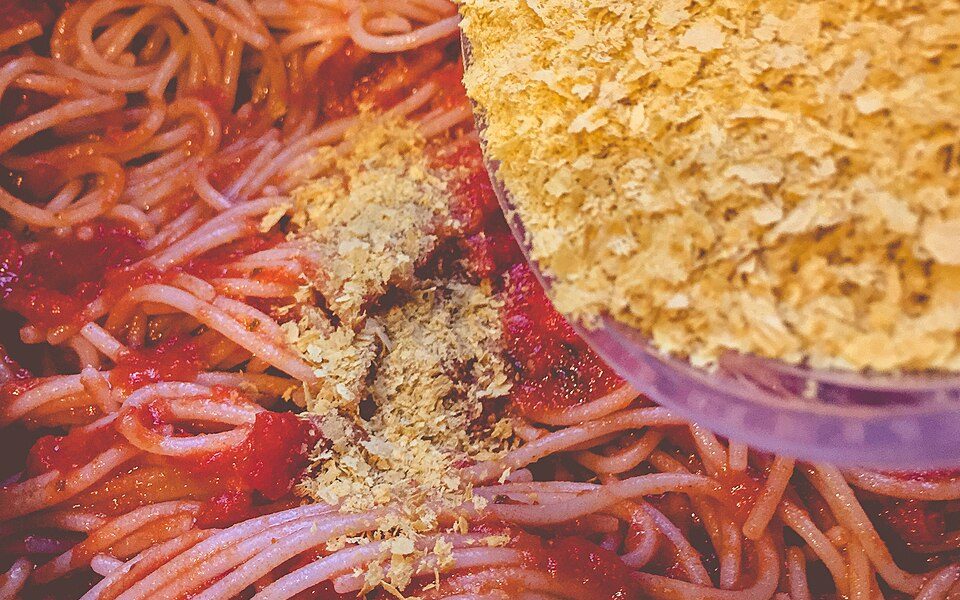
The flavor is the point of entry for most people. Savory, slightly cheesy, umami in a way that plant foods rarely achieve by default. It ends up on pasta, on popcorn, stirred into sauces that would otherwise feel like something is missing. It does a similar job to Parmesan, making food taste more complete, and does it reasonably well without requiring you to believe anything ambitious.
The B12 Question
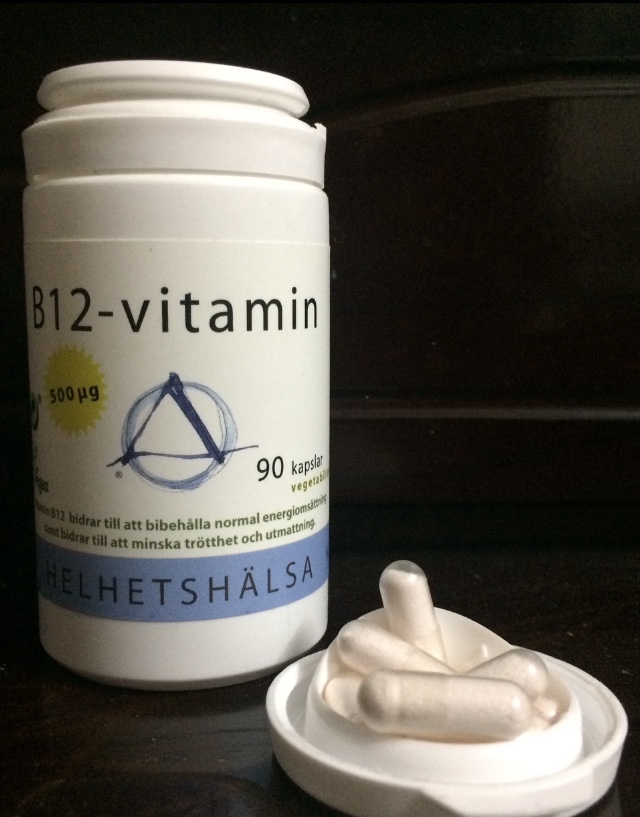
This is not a minor nutritional footnote. B12 is the one vitamin that’s genuinely difficult to get from plant foods in adequate amounts. Deficiency over time causes neurological damage that isn’t always reversible. That’s not fearmongering; it’s biochemistry, and it’s why B12 supplementation is the standard recommendation for anyone eating a vegan diet.
The Vegetarian Resource Group has documented significant variation between brands in how much B12 is actually present and how bioavailable it is. Two tablespoons of a fortified brand can provide well over 100% of the daily recommended intake. But checking your specific product’s label matters. And for anyone who has been vegan for more than a year without regular supplementation, getting a blood test is worth the minor inconvenience.
Nutritional yeast satisfies the “eat fortified foods” part of the equation, but only if you’re using it consistently and in sufficient quantities. Sprinkling it on popcorn once a week probably isn’t enough. Think of it as a useful daily contribution, not a complete solution.
Beyond B12: The Full Nutritional Profile
The B vitamin story extends well past B12. Nutritional yeast is naturally rich in B1, B2, B3, and B6, and it’s a complete protein, two tablespoons provide around 8 grams, containing all nine essential amino acids. Not enormous, but meaningful if you’re using it daily.
It also contains beta-glucans, a type of soluble fiber in the yeast cell walls associated with immune function and cholesterol reduction. Cleveland Clinic notes that athletes consuming yeast products with beta-glucan showed reduced post-exercise fatigue and better mood outcomes, a finding that makes more sense when you consider how significantly gut health and systemic inflammation interact. The mechanism isn’t fully settled, but the pattern is consistent enough to take seriously.
Zinc and selenium round out the profile. Neither in dramatic quantities, but both contributing to what makes nutritional yeast a genuinely useful pantry item rather than a marketing category.
What It Won’t Do
There’s an overstated version of this story on wellness blogs and product packaging, that nutritional yeast boosts energy, clears skin, supports adrenal function, and performs other favors. Most of these claims ride the coattails of the B vitamin content. B vitamins do play a role in energy metabolism, so the logic is understandable. But eating two tablespoons of nutritional yeast is not going to give you noticeably more energy unless you were genuinely deficient in those vitamins to begin with.
The honest version is more modest and still impressive: it’s a convenient, complete protein source; a practical B12 delivery mechanism; a reasonable source of several other B vitamins and trace minerals; and something that makes food taste better. That’s a lot to ask of a single ingredient.

How to Use It
The most natural home for nutritional yeast is anywhere you’d want something savory and slightly cheesy. Pasta tossed with olive oil and black pepper is the obvious one, two tablespoons stirred through adds depth that would otherwise require something aged. It works well on roasted vegetables, in soups and stews, in salad dressings, and blended into cashew-based sauces where it rounds out flavors that might otherwise be too flat.
The learning curve is mostly about quantity. Too little and you won’t taste it. Too much and it starts to dominate in a way that’s hard to describe but easy to recognize. Most recipes suggest two to four tablespoons; start at the lower end and adjust.
It keeps for months at room temperature, longer refrigerated, and it’s cheap relative to what it delivers. As a regular part of a vegan kitchen, it earns its place not through any single dramatic benefit but through the accumulation of small, consistent ones. Which is usually how the most useful foods work.