Do Animals Have Consciousness?
In July 2012, a prominent group of neuroscientists gathered at Cambridge and signed a document stating, plainly, that non-human animals are conscious. Not that they might be. Not that the question merits further study. That they are.
The Cambridge Declaration on Consciousness was signed in the presence of Stephen Hawking. Its authors included leading figures in neurophysiology, neuroanatomy, and cognitive science. What they were formalizing was not a new idea, it was a consensus that had been building for decades and finally became impossible to leave unstated.
What strikes me about the Declaration, over a decade later, is not the content. The content was already clear to anyone paying attention. What strikes me is that it needed to exist at all.
TL;DR
– The Cambridge Declaration on Consciousness (2012) formally stated that mammals, birds, and many other animals possess the neurological substrates of conscious experience
– Non-human animals show fear, anticipation, grief, and play, behaviors generated by inner states, not mere mechanical response
– The resistance to acknowledging animal consciousness has roots that are less scientific than economic and social
– Accepting animal consciousness doesn’t settle every ethical debate, but it does foreclose the comfortable fiction that the animals we eat aren’t experiencing anything
Defining the Question
Consciousness is notoriously difficult to define with precision, which is part of why this debate has lasted so long. In its broadest sense, it refers to subjective experience, the philosopher Thomas Nagel framed it precisely in his 1974 essay “What Is It Like to Be a Bat?”: a creature is conscious if there is something it is like to be that creature, from the inside.
By that definition, the question becomes specific: is there something it is like to be a cow, a pig, a chicken? An inner experience, however different from our own, constituting a life being lived rather than merely a biological process running?
The honest answer, based on what we now know, is almost certainly yes, for a very wide range of animals.
What the Neuroscience Shows
The Declaration stated directly that non-human animals possess the neuroanatomical, neurochemical, and neurophysiological substrates of conscious states. The neural structures associated with conscious experience in humans have functional analogues in other vertebrates. Mammals and birds are included without qualification. Octopuses appear in the Declaration, which should give pause to anyone drawing the line of moral consideration at vertebrates.
Fish present a more contested case, and invertebrates beyond cephalopods more contested still. But for the animals most commonly raised and killed for food, the question has a clear answer. The research has been clear for years; the Declaration formalized it.
The Behavioral Evidence
Neuroscience alone isn’t the whole picture. The behavioral evidence runs alongside it and is, in some ways, harder to dismiss.
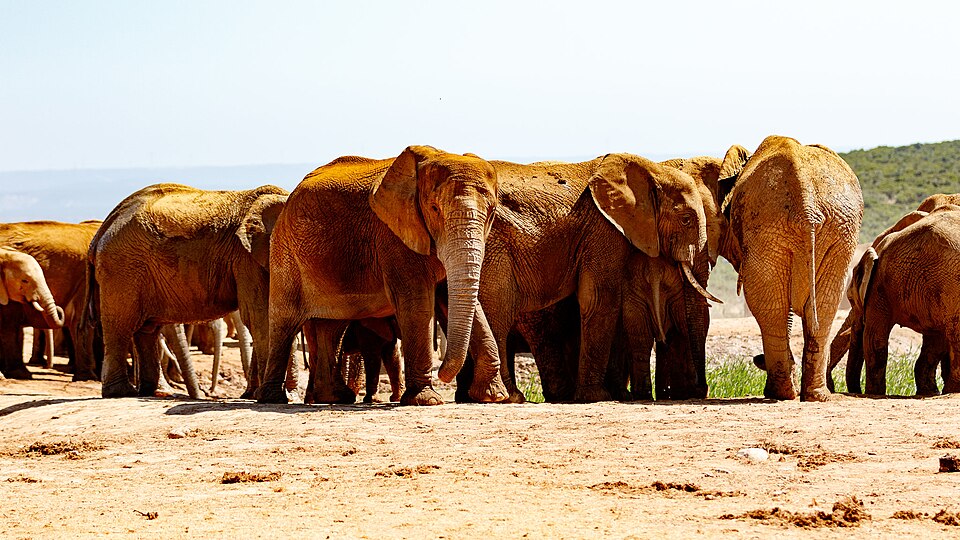
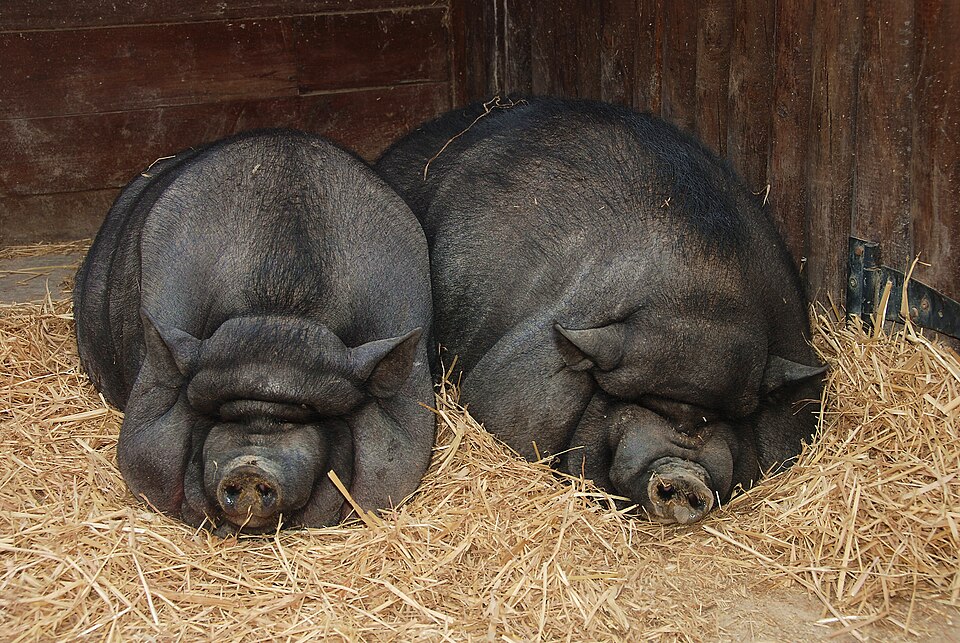
Elephants return to the bones of dead companions and touch them with their trunks in patterns every honest observer would describe as mourning. Pigs perform as well as dogs on cognitive tests designed to assess reasoning and social understanding. We have decided, with remarkable cultural consistency, that dogs are family members whose suffering is intolerable, while pigs are food products whose suffering is a matter for welfare audits. The distinction is not scientific. It’s historical and circular, and it persists because it’s convenient.
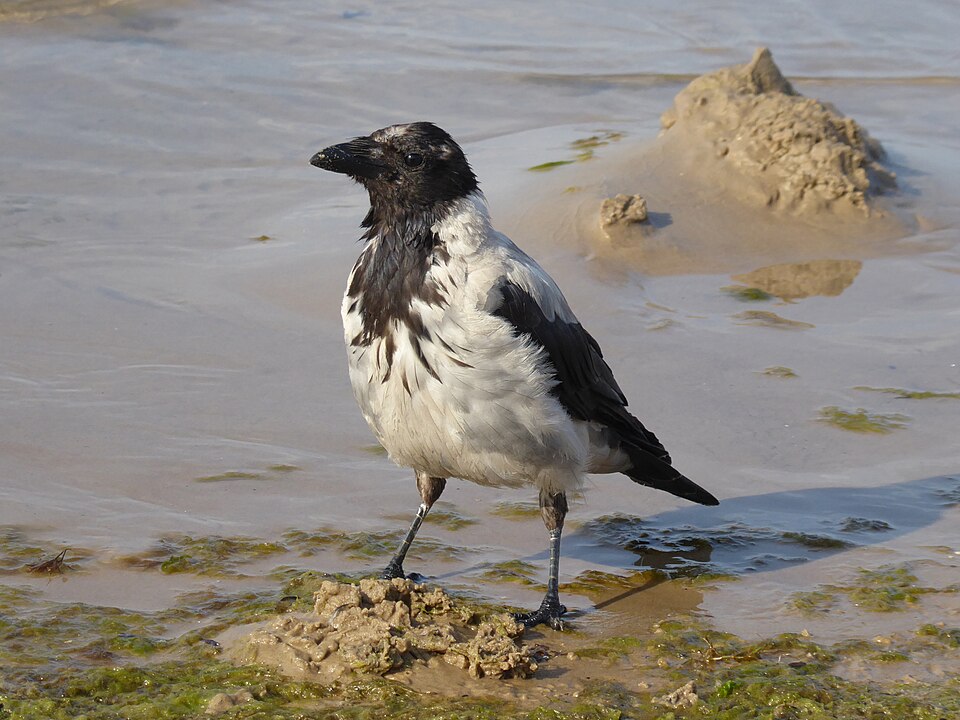
Chickens demonstrate empathy toward their chicks. Crows use tools, recognize individual human faces, and hold grudges. These behaviors are not incidental decorations on otherwise inert biological machinery. They are expressions of inner lives that generate them.
The counterargument, that we’re projecting, that what looks like emotion is merely programmed response, gets harder to sustain the more carefully you examine it. It requires you to believe that the neurological systems producing conscious experience in humans generate no experience whatsoever when they appear, in structurally similar form, in other animals. That’s not a scientific position. It’s a motivated one.
Why It Took So Long to Acknowledge
The resistance to animal consciousness has roots that are less scientific than social and economic. Acknowledging that animals have genuine subjective experiences, including the experience of suffering, creates an obligation. It becomes considerably harder to justify the conditions of industrial animal agriculture, or the basic fact of killing animals for food when alternatives exist, if you accept that the animals involved are conscious creatures with something to lose.
René Descartes provided a philosophical framework that proved convenient for centuries. Animals, he argued, were biological machines, their apparent responses to pain no different in kind from the movements of a clock. The framework was wrong. We’ve known for a long time it was wrong. What persisted was the convenience of it.
This is not an accusation. It’s an observation about how belief and interest interact. We are all capable of maintaining positions that happen to align with what we want to do, and updating slowly when the evidence presses us to change.
What Follows From This
If animals are conscious, if there is something it is like to be a chicken in a battery cage, then the question of how we treat them becomes a moral question in the full sense. Not a matter of preference or sentiment, but a question about what we owe to beings who can suffer.
That doesn’t automatically resolve every ethical debate about how humans and animals should relate. Consciousness exists on a spectrum, and the moral weight we assign to different creatures’ experiences is a genuine philosophical question. But it does rule out the comfortable fiction that the animals most affected by our choices are simply not the kinds of things that have experiences worth considering.
The Cambridge Declaration was signed over a decade ago. The science it formalized has only strengthened. At some point, the gap between what we know and how we act becomes something we have to account for, rather than simply inherit.