Is Plant-Based Meat Actually Healthy?

Is Plant-Based Meat Actually Healthy?
The Impossible Burger arrived trailing a specific kind of excitement. Here was a product that looked like meat, behaved like meat, and bled like meat, in a way that was either impressive or unsettling depending on your prior commitments. The environmental case was real. The animal welfare case was obvious. And health? Health was implied. The words “plant-based” were doing a lot of work in the marketing, and most people let them.
That implication deserves scrutiny.
TL;DR
– Plant-based burgers are ultra-processed foods by most standard definitions, same category as chicken nuggets and frozen pizza
– They compare favorably to beef on cholesterol, some saturated fat metrics, and fiber, but worse than whole plant foods on sodium and processing level
– A 2025 paper in Clinical Nutrition Open Science confirmed: better than conventional meat, worse than whole plant foods
– As a transition tool away from meat, they’re probably fine; as the cornerstone of a health-motivated diet, the logic has gaps
What These Products Actually Are
Plant-based meat is not vegetables in the shape of a burger. It’s a highly processed food product engineered to replicate the sensory experience of conventional meat. The ingredient lists are long, protein isolates stripped from their source legumes, methylcellulose, modified starches, natural flavors, and various additives managing texture, color, and shelf stability.
The protein source is typically soy or pea protein isolate, meaning the protein has been extracted and concentrated, stripped of most of the fiber and other compounds present in whole legumes. This isn’t inherently catastrophic, but it’s different from eating a bowl of lentils, and it matters for how you think about these products.
By most standard definitions, including the NOVA classification system used widely in nutritional epidemiology, plant-based burgers fall into the ultra-processed category. The same category as chicken nuggets and frozen pizza. That doesn’t make them poison. It does complicate the health narrative that “plant-based” implies.
Where They Hold Up Against Conventional Meat
Against a conventional beef burger, the comparison looks favorable in some respects. Plant-based versions contain no dietary cholesterol. Saturated fat is lower in most formulations, though widespread use of coconut oil has narrowed that gap considerably. They contain fiber, which beef doesn’t. Protein content is comparable, typically 18 to 20 grams per serving, and amino acid profiles have improved as formulations have evolved.
For someone making a straightforward swap, plant-based instead of beef, regularly, in an otherwise unchanged diet, there’s probably a modest net benefit. The environmental case is even stronger: significantly lower land use, water use, and greenhouse gas emissions per serving.
The question is whether “better than a beef burger” is the relevant standard.
Where the Health Case Gets Complicated
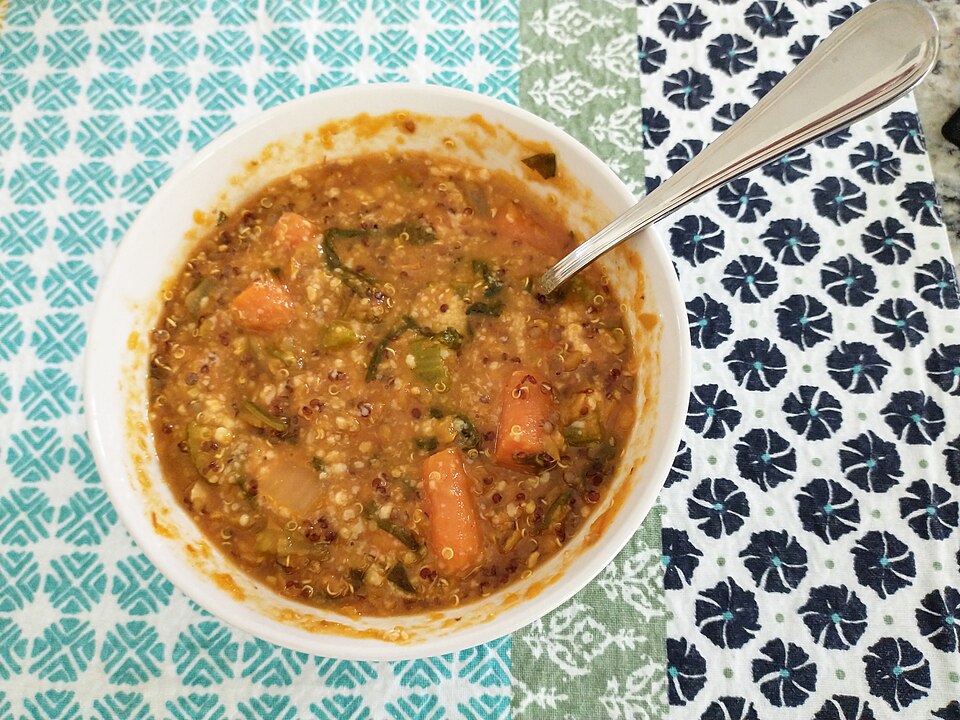
Sodium is the most immediate issue. Most plant-based burgers run 350 to 500 milligrams per serving before you’ve added a bun or condiments. A home-cooked lentil patty has a fraction of that. The sodium is there because it’s doing real work on flavor, texture, and preservation. But it’s a meaningful trade-off that the category’s health marketing tends to underemphasize.
The deeper concern is ultra-processing itself. A growing body of research has linked high consumption of ultra-processed foods to elevated risk of cardiovascular disease, type 2 diabetes, and all-cause mortality, and this association appears to hold independent of the nutrient composition of individual products. A 2025 PMC review found ultra-processed plant foods performing worse than unprocessed animal foods on several cardiometabolic markers. Which is the kind of finding that disrupts comfortable narratives on both sides of the diet debate.
The mechanisms aren’t fully understood. They may involve specific additives, the disruption of food matrices, or something about how highly processed foods affect satiety and eating behavior. But the pattern is consistent enough that dismissing it requires more confidence than the evidence supports.

The Honest Position
Plant-based meat is a better choice than conventional meat on environmental grounds. It’s a marginal improvement on animal welfare grounds, depending on how you account for land use and displacement effects. On health grounds, it’s a mixed picture that depends on what you’re comparing it to and how much of it you’re eating.
If someone is transitioning away from meat and finds these products helpful as a bridge, that seems like a reasonable use. If someone is eating them because “plant-based” implies “healthy,” the logic has a gap in it worth knowing about before you commit.
The companies selling these products are understandably reluctant to make the comparison that doesn’t flatter them. More legumes, more whole grains, more vegetables in forms that haven’t been through an industrial extraction process is, by most measures, the better nutritional strategy. It’s also a less exciting story than the one being told. But it tends to hold up better when you read the research rather than the packaging.