What Is Tempeh?

The first time I cooked tempeh, I burnt it badly. Not a little singed around the edges. The kind of burnt where you open the window and hope the smoke alarm has a delayed response. I’d sliced it too thin, the pan was too hot, and I kept poking at it every twenty seconds. Something was definitely happening, I just wasn’t paying attention to the right thing.
That memory is probably more representative of how most people encounter tempeh than the glossy version offered by food writers, who describe it as nutty, earthy, versatile, and deeply satisfying. All of which is true, but none of which helps you understand what you’re actually dealing with.
TL;DR
– Tempeh is fermented whole soybeans bound together by mold mycelium, a traditional Indonesian staple, not a Western health invention
– Fermentation breaks down phytic acid, significantly improving absorption of zinc, iron, and magnesium compared to plain cooked soybeans
– A 100g serving contains ~19g of complete protein, more than most plant foods
– The bitterness and firm texture are features, not flaws, they respond well to heat and marinades
What Tempeh Actually Is
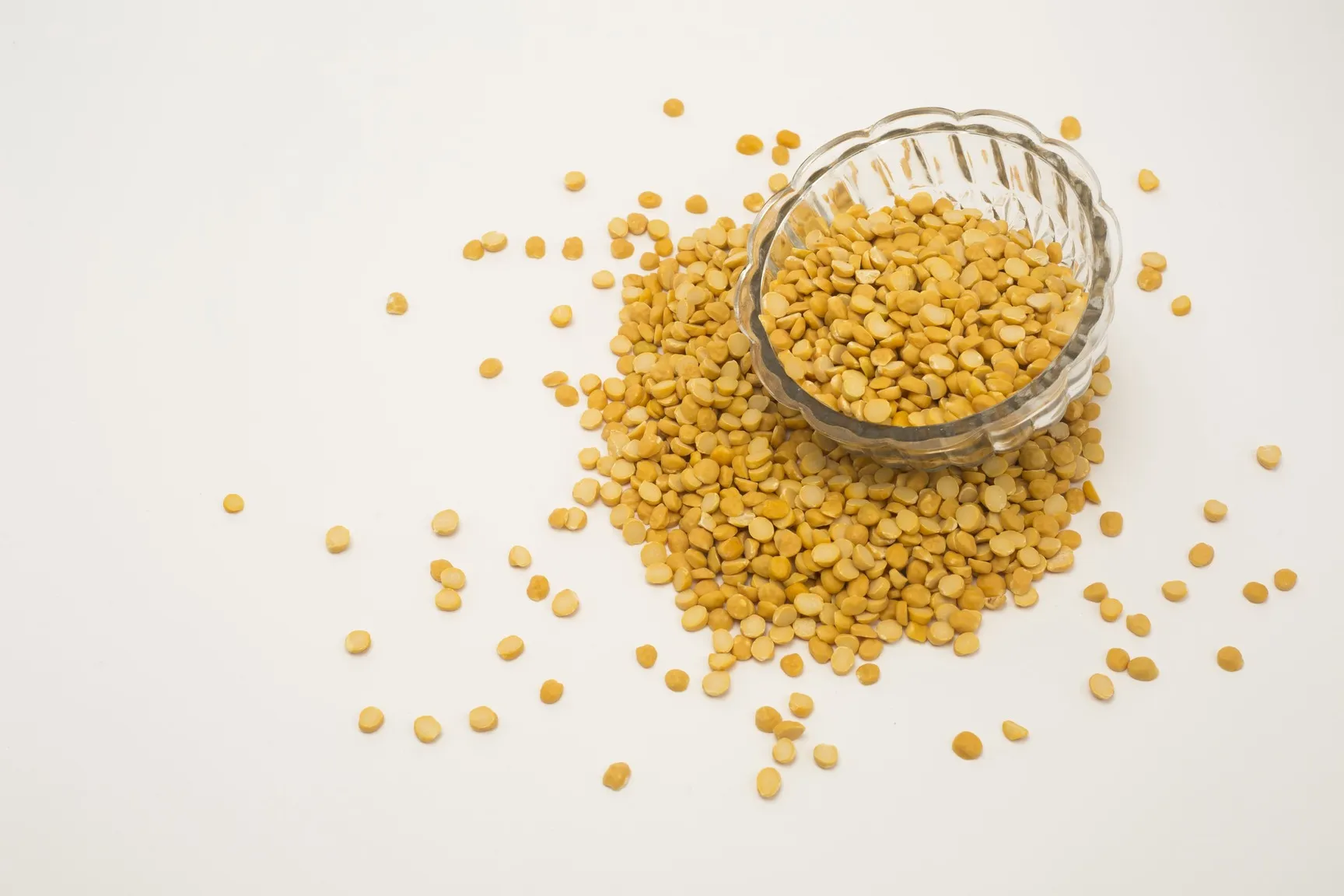
Tempeh is fermented soybeans. That’s the short answer, and it’s accurate as far as it goes. Whole soybeans are cooked, inoculated with a mold called Rhizopus oligosporus, and left to ferment at warm temperatures for 24 to 48 hours. What emerges is a dense, firm cake bound together by the white mycelium the mold produces as it threads through the beans.
The mold is doing something genuinely useful. During fermentation, it breaks down phytic acid, the antinutrient in legumes that binds to minerals like zinc, iron, and magnesium and limits how much your body can absorb. Fermentation reduces phytic acid levels significantly, which means the nutrients inside the beans become considerably more available than they’d be in plain cooked soybeans. The mold also partially pre-digests proteins, cleaving them into shorter chains. People who find other soy products hard on the stomach often handle tempeh without trouble.
This is what whole-food processing looks like when it’s working properly. Not removing things the industry decided were inconvenient, but a genuine transformation driven by organisms that have been doing this work in Javanese kitchens for centuries.
Where It Comes From (And Why That Context Matters)
Tempeh originated in Java, Indonesia, probably sometime in the nineteenth century, though the exact history is murky in the way that fermented food history usually is. What’s clear is that it’s been a staple protein source in Indonesian cooking for a very long time. Not a health food curiosity. Not a meat substitute. Just food, something people ate because it was there, kept reasonably well, was cheap, and tasted good when prepared with confidence.
The Western world received it differently. It arrived packaged almost immediately in the language of plant-based alternatives, which loaded it with expectations it was never designed to carry. It’s not trying to be chicken. It’s not trying to fool you into thinking you’re eating something else. Once you stop asking it to be something other than what it is, it becomes considerably easier to appreciate.
That framing has been tempeh’s greatest commercial problem. Ask most omnivores what they think of it and they’ll hesitate, parsing what they’ve been told about plant-based eating in general: nutritionally inferior, texturally unsatisfying. None of those things are true of tempeh specifically, but the category contamination runs deep.
The Nutritional Case
A 2024 PubMed review summarizing tempeh as a functional food noted its high bioavailability as a primary mechanism of benefit, with evidence pointing to improvements in glycaemic control and blood lipid levels. Which is the scientific way of saying: what goes in actually gets used.
The numbers hold up. A 100-gram serving contains roughly 19 grams of protein, a complete protein, meaning all nine essential amino acids are present in usable proportions. That’s more than most plant foods, and it beats the bioavailability of plain soybeans specifically because fermentation has done its work. There’s also calcium, iron, magnesium, and zinc, all benefiting from reduced phytic acid levels.
Tempeh contains probiotics, too, though heat kills most of them during cooking. If gut health is the specific goal, you’d want to eat it raw or barely warmed, technically possible, but something of an acquired taste. Most people aren’t eating tempeh for the probiotics. They’re eating it because it’s dense, filling, and nutritious in the way that genuinely functional foods are.
A Note on the Soy Debate
The phytoestrogen concern, the worry that soy compounds mimic estrogen in the body, has been studied extensively. The scientific consensus is that moderate soy consumption is safe and likely beneficial for most adults, and that fermented soy products like tempeh carry the additional advantage of reduced antinutrient content. If you’ve been avoiding tempeh because someone told you soy was dangerous, it’s worth going back to the actual research rather than accepting the internet’s shortcut version.
What It Tastes Like
Nutty. Earthy. Slightly bitter, in a way that’s more interesting than unpleasant. The texture is firm and dense, it holds its shape when cooked, develops a proper crust when fried, absorbs marinades surprisingly well. It has more going on than tofu by default, without requiring you to press, freeze, or otherwise coax it into having a personality.
That bitterness is the part that throws people. The instinct is to eliminate it, blanch the tempeh before cooking, or drown it in enough sauce that it disappears. Both approaches work. Neither is necessary. The bitterness softens with heat, and if you’ve cooked with it a few times, you start to recognize it as part of what tempeh is, not a problem to be solved
How to Cook It
The most reliable method: slice it, marinate it briefly in soy sauce with garlic and a little acid, then fry it in a hot pan with enough oil to develop a crust. Ten to twelve minutes. Don’t overcrowd the pan. Don’t move it every thirty seconds. Let it sit and brown on one side before you touch it, this is the instruction most beginners ignore and most experienced cooks have learned the hard way.
You can crumble it and treat it as you would ground meat, which works well in pasta sauces, grain bowls, and tacos. Or steam it, bake it, grill it. Tempeh tolerates heat well and doesn’t fall apart.
The learning curve is short. I burnt mine the first time and had it figured out by the second. The main thing is to apply enough heat, enough fat, and enough patience, and to stop expecting it to taste like something it isn’t. Once you clear that hurdle, you’ll wonder why it took this long. Most people do.