Pea Protein vs Soy Protein: The Plant-Based Showdown Nobody Asked For (But Everyone Needs)
You’re standing in the supplement aisle, shaker bottle already in hand, staring at two enormous tubs. One says pea protein. One says soy. Both claim to be the future of muscle. Both have suspiciously ripped people on the packaging. You’ve been standing there for eleven minutes.
Let’s settle this.
- Both pea and soy are complete or near-complete proteins, making them excellent choices for vegans.
- Recent research shows a pea-and-soy blend can match whey for muscle gains – at equal doses.
- Pea protein wins on allergen safety and digestive comfort; soy has decades of research behind it.
- For most people, the difference is smaller than the fitness influencers would have you believe.
They’re Both Good. There. Said It.
Pea protein and soy protein are two of the best plant-based protein sources available, full stop. If someone tells you one is dramatically superior to the other, they’re either trying to sell you something or they’ve been spending too much time in online fitness forums. Both are derived from whole food sources, both work, and both are far better for the planet than whey.
So the real question isn’t “which one is better in theory?” It’s “which one is better for you?” That’s a much more interesting question.
What Soy Protein Brings to the Table
Soy is the veteran. It’s been in the plant-protein game since long before “vegan gains” was a hashtag, and it has the science to back it up. Soy is a complete protein, meaning it contains all nine essential amino acids your body can’t produce on its own. It’s also rich in leucine, the branched-chain amino acid most closely linked to triggering muscle protein synthesis. For building and maintaining muscle, that matters – a lot.
The phytoestrogen thing? Worth addressing head-on. Soy contains isoflavones, plant compounds that weakly mimic oestrogen. Cue decades of internet panic. The reality: a 2024 meta-analysis in Advances in Nutrition, covering 40 randomised trials and over 3,000 participants, found soy isoflavones had no statistically significant effect on oestrogen or other hormonal markers. You’d need to consume truly extraordinary amounts to see any effect. Normal servings are safe for the vast majority of people. Harvard’s Nutrition Source agrees, noting that the controversy around soy is largely driven by animal studies that don’t translate well to human metabolism.
Where soy does fall short: it’s one of the top eight allergens. If you’re sensitive, it can cause bloating, skin reactions, or worse. And some people simply don’t like the taste – it has a slightly earthy, beany quality that blends have to work hard to hide.
What Pea Protein Brings to the Table
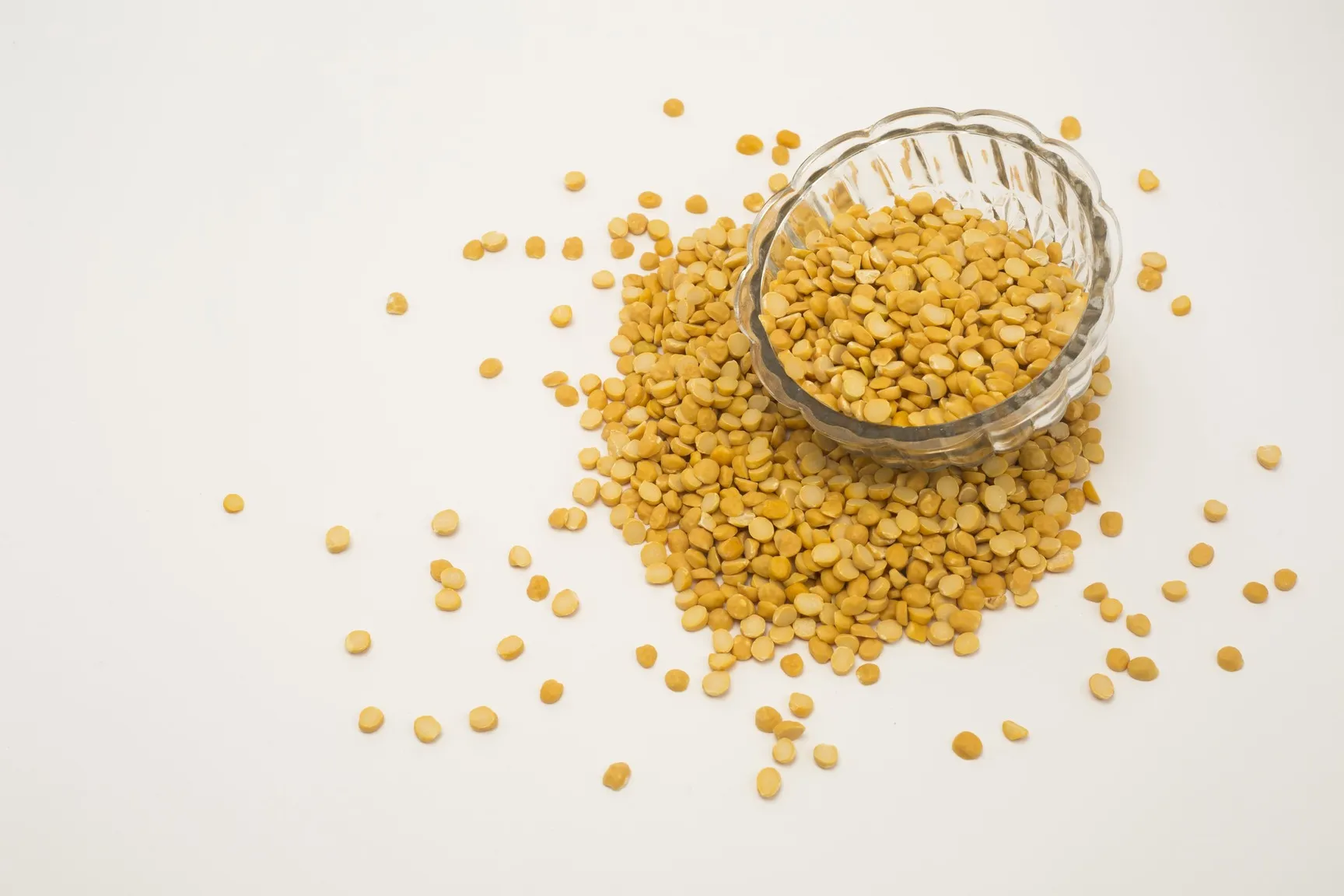
Pea protein is the underdog that quietly became everyone’s favourite. Made from yellow split peas, it’s become the go-to for brands, athletes, and anyone who’s had a bad experience with soy.
Technically, pea protein is not a complete protein on its own – it’s low in methionine, one of the essential amino acids. But before you put it back on the shelf: the gap is small, and if you’re eating anything resembling a varied diet, you’re covering it easily. In terms of muscle building, a double-blind clinical trial published in PMC found that pea protein produced comparable biceps muscle thickness gains to whey protein after a 12-week resistance training programme. Pea performed especially well for beginners and those returning to training.
The real wins for pea protein are digestibility and allergen-friendliness. It’s free from the top allergens, tends to be gentler on the gut, and blends remarkably well. That creamy texture in your smoothie? Probably peas.
Does the Science Actually Back Either of Them?
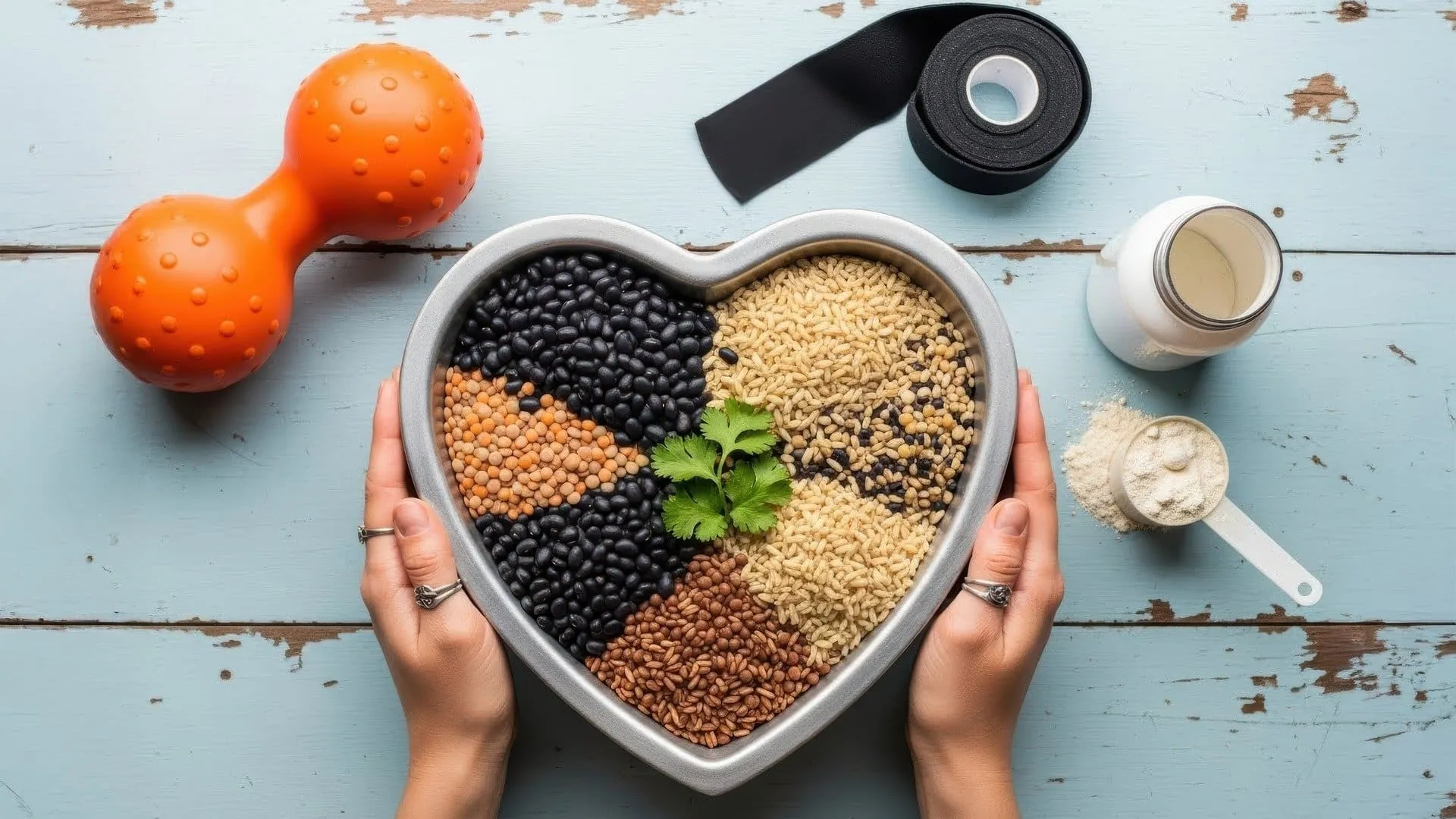
Here’s where things get interesting. The fitness world has spent years comparing both proteins to whey – rather than to each other – because whey is considered the “gold standard.” And in both cases, the results are far more flattering to plants than the old guard expected.
A 2024 randomised controlled trial found that muscle protein synthesis rates after consuming 30 grams of pea protein were equivalent to 30 grams of milk protein concentrate, despite producing lower levels of essential amino acids in the blood. Thyme to Go Vegan RD Meanwhile, an 8-week study of CrossFitters found no significant differences in strength gains between whey and pea protein groups for maximal squats or deadlifts.
For soy, the picture is similarly strong. A 2019 systematic review found that four studies showed whey and soy protein equally increased muscle mass, with only two studies giving whey the advantage. Thyme to Go Vegan RD And more recently, a 2024 study showed that 45 grams of a combined soy and pea protein blend worked just as well as whey for building muscle in men doing resistance training over 12 weeks.
The caveat? You may need to consume slightly more plant protein overall to match the digestibility of whey, since plant proteins have lower absorption scores. But the gap is closing fast, and modern isolate formulations are narrowing it further.
So Which One Actually Wins?
Pea protein is the safer, more universally tolerable choice. If you’re new to plant protein, prone to digestive issues, managing allergies, or just want something that tastes decent in a chocolate shake without much fuss, start with pea.
Soy protein is the more complete package on paper. If you’re focused on maximising muscle protein synthesis and you have no sensitivities, it has decades of research backing and a modest amino acid advantage. But “modest” is doing a lot of work in that sentence.
For most vegans eating a varied diet, the difference between the two is smaller than the difference between training consistently and not training consistently. Pick the one you’ll actually keep using.
The Case for Using Both
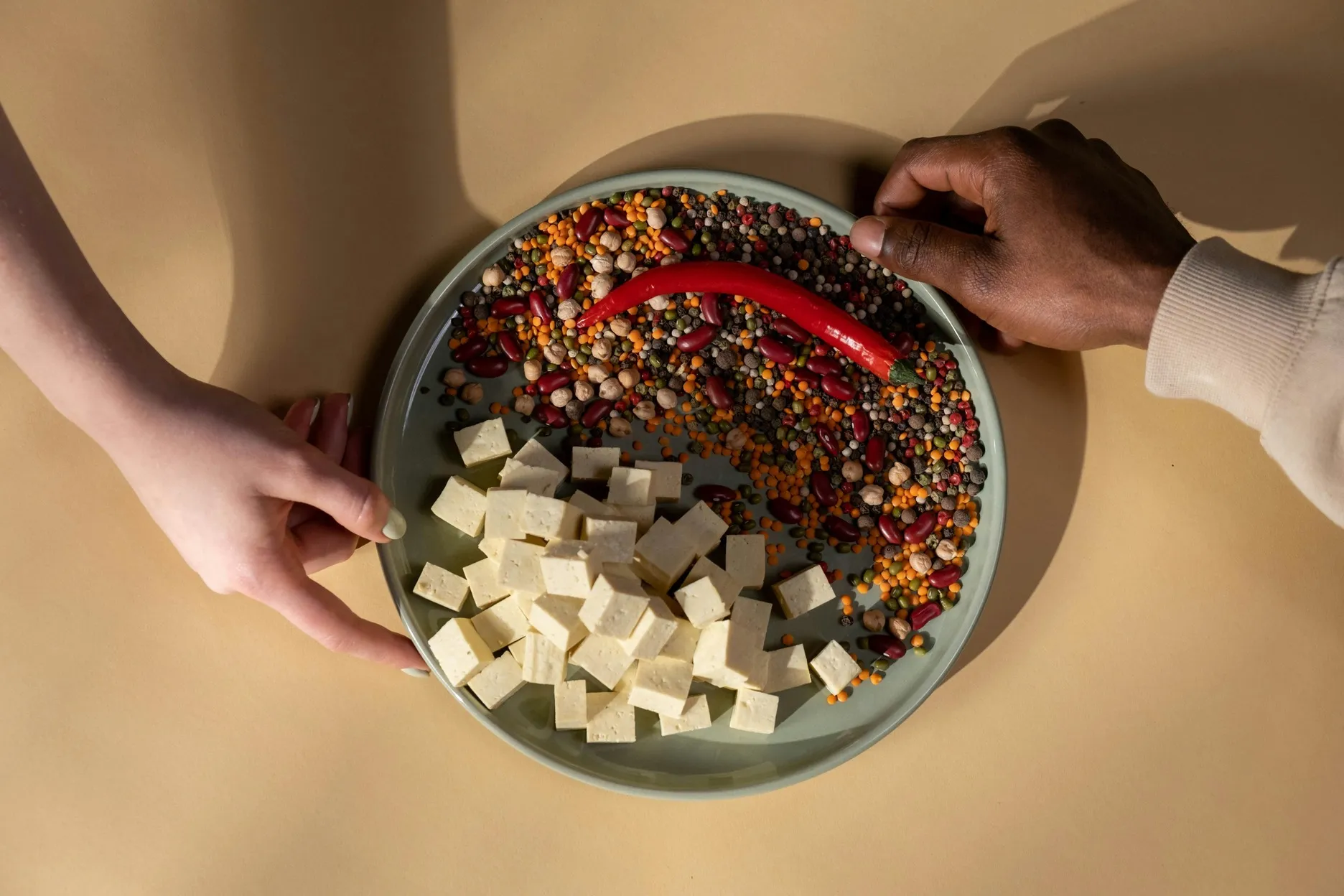
Plot twist: you don’t have to choose.
Some of the best plant-based protein blends on the market combine pea and soy – or pea and rice – precisely because their amino acid profiles complement each other. Research published in PMC confirmed that a pea-and-soy blend fortified with leucine can stimulate muscle protein synthesis at levels comparable to whey. The combination does what neither protein fully achieves on its own.
You can also just eat food. Lentils, edamame, tofu, tempeh, chickpeas – these all bring protein alongside fibre, micronutrients, and the quiet satisfaction of not paying £45 for a tub of powder.
The Bottom Line
Pea protein and soy protein are both excellent. They’re not enemies. The supplement industry wants you to believe this is a high-stakes rivalry; it mostly isn’t.
Pick pea if you want something gentle, allergen-free, and easy to blend. Pick soy if you want decades of research behind your scoop and have no sensitivities. Pick a blend if you want to stop thinking about it entirely, and let the amino acids sort themselves out.
And next time you’re frozen in that supplement aisle, remember: the best protein powder is the one you’ll actually use. Put down the tub with the ripped person on it. Read the ingredients. Trust your gut – literally.