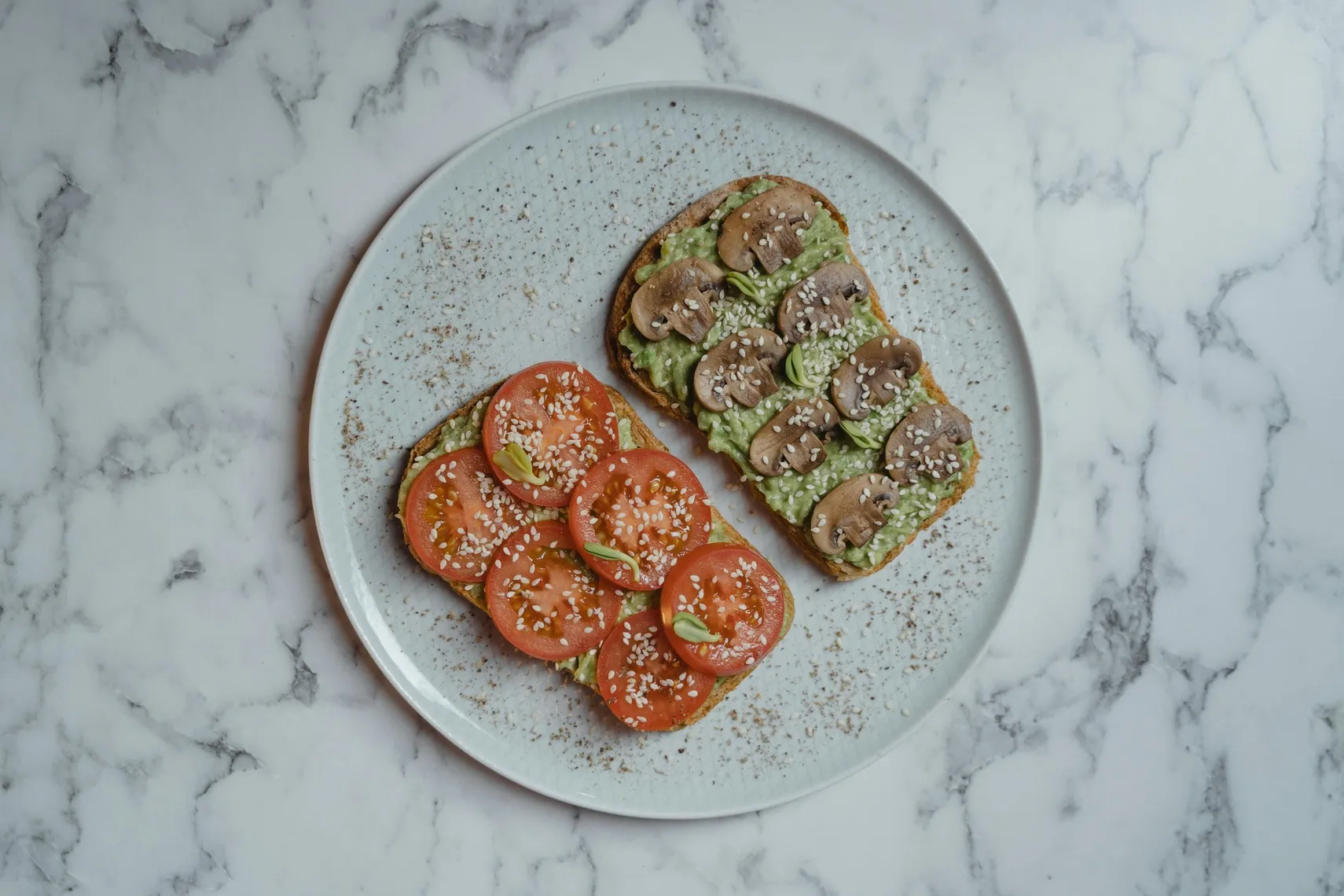
How To Get Enough Calcium Without Dairy
The dairy industry did a great job convincing the world that milk and calcium are the same thing. They’re not. Plenty of people around the world never touch dairy and have perfectly healthy bones. The question isn’t whether you can get calcium without milk – it’s knowing where to actually look.
Key Takeaways
- Adults need around 1,000mg of calcium per day.
- Fortified plant milks, calcium-set tofu, and dark leafy greens are your most reliable sources.
- Vitamin D matters as much as calcium itself – without it, absorption suffers.
- Spinach looks good on paper but blocks calcium absorption; kale, bok choy, and broccoli are better choices.
Start With the Easy Wins
Plant milks are the simplest place to begin. A single glass of oat or soy milk can cover close to a third of your daily needs, and almond, pea, and flaxseed milks all contain more calcium than cow’s milk. Use one as your base for coffee, oats, or smoothies and you’re already off to a solid start before lunch.
Tofu is the other big one – if you buy the right kind. Tofu made with calcium sulfate contains around 683mg per 100 grams, covering more than half your daily needs in a single serving. But before relying on tofu make sure to check the ingredients list. If calcium sulfate isn’t on there, the calcium content drops significantly.
Greens
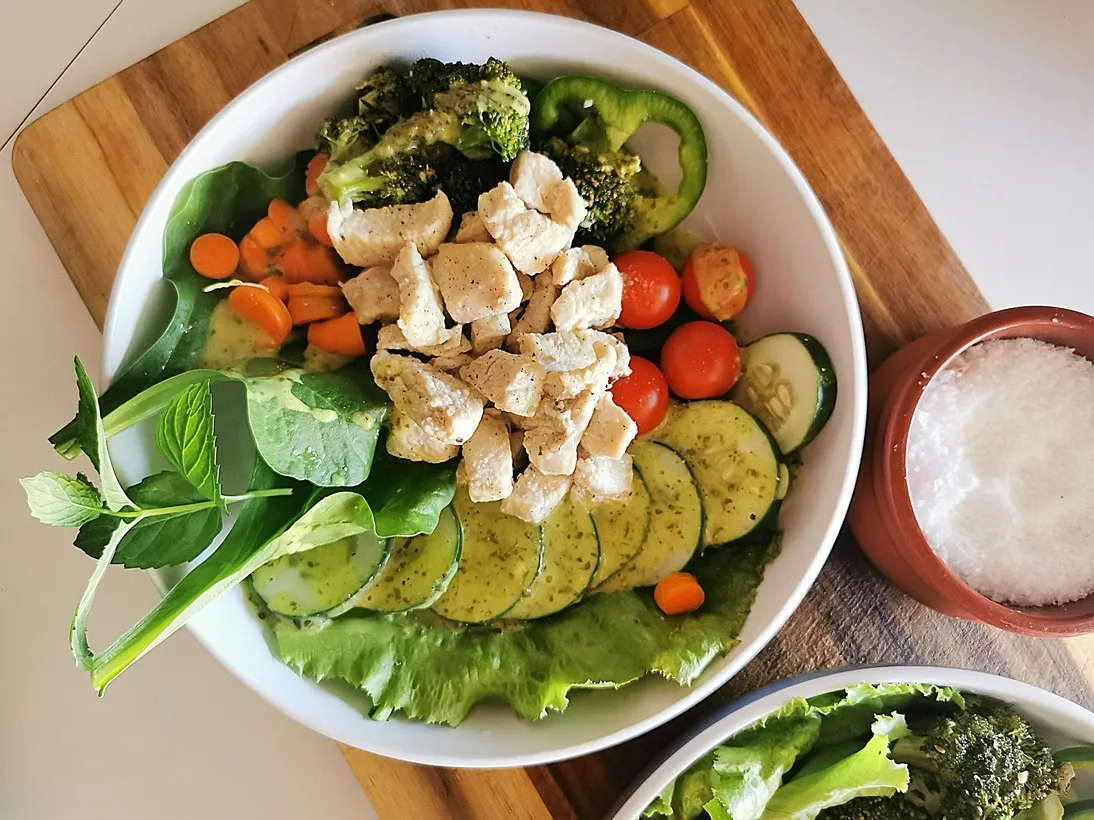
Dark leafy greens are genuinely good calcium sources, but they’re not all equal. Kale, bok choy, broccoli, and collard greens are solid. Spinach, despite its healthy reputation, is full of oxalates – compounds that bind to calcium and stop your body absorbing it. It’s still worth eating for other reasons, just don’t count it toward your calcium intake.
Broccoli in particular is worth eating more of. The body absorbs around 62% of the calcium in broccoli – nearly double the absorption rate of dairy.
Extras
Legumes, nuts, and seeds won’t cover your needs on their own, but they contribute consistently across the day. A cup of cooked soybeans provides 261mg of calcium. Almonds, chia seeds, and sesame seeds all chip in too. Tahini – essentially blended sesame – is an easy one to work into dressings and sauces without much effort.
Vitamin D
This is the part people miss. Calcium intake means nothing if your body can’t absorb it, and vitamin D is what makes absorption possible. You can get it through sunlight, but in colder months or cloudier climates that’s often not enough. According to the Vegan Society, a vitamin D supplement is worth considering year-round – not just for vegans, but for anyone not getting reliable sun exposure.
What a Normal Day Looks Like
Plant milk in the morning. Tofu at some point during the day, like lunch. A portion of kale, bok choy, or broccoli with dinner. Some almonds or tahini in a snack or dressing. And that’s and easy, unfussy routine that puts most adults well within their daily target without tracking a single number.
Dairy was never irreplaceable. It was just heavily marketed.